The automotive coolant pump is often overlooked by drivers until performance issues arise, yet this component plays a continuous role in preserving engine health. Understanding its lifecycle — from initial installation through eventual replacement — can help vehicle owners manage maintenance proactively and avoid unplanned downtime.
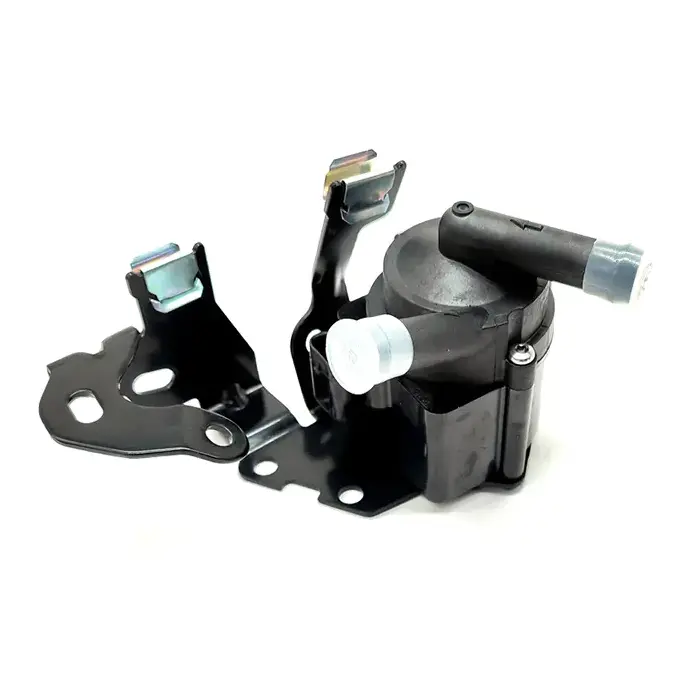
At installation, a car engine water pump must integrate seamlessly with the engine’s cooling system to start circulating coolant immediately when the engine warms up. During early operation, the pump’s bearings and seals work together to maintain fluid movement without leaks or frictional losses. Materials used for the pump body, impeller, and internal seals influence how effectively these parts endure thermal cycling and vibration.
Over time, normal wear affects these internal elements. Bearings may loosen, seals may degrade, and impeller surfaces can accumulate deposits from coolant additives or contaminants. As these changes progress, the pump’s ability to sustain consistent coolant flow declines. Drivers may notice higher temperature readings, coolant drips beneath the vehicle, or reduced heating performance in the cabin. Attending to these signs promptly helps avoid situations where overheating could impact other engine components.
Wenzhou Xinhao Auto Parts Co., Ltd. produces components designed with durability in mind for daily use. Their automotive coolant pump lineup considers factors like material resilience, dimensional precision, and compatibility with various engine types. These qualities aim to support a reliable cooling process throughout the expected service period of the vehicle.
Replacement timing varies based on driving conditions, coolant quality, and engine design specifics. Some drivers may follow manufacturer guidelines, while others rely on visual inspection or performance indicators to determine when a car engine water pump requires attention. Regardless of approach, proactive awareness prevents the cascade effects of compromised cooling — such as thermostat stress or head gasket strain due to sustained heat.
In essence, recognizing the lifecycle stages of a water pump empowers vehicle owners to make decisions that promote steady engine operation and quiet performance on the road.



Share this page with your family and friends.