Outdoor cooking equipment must respond to real usage conditions rather than idealized settings. A fire pit intended for cooking should accommodate varying fuel types, cooking durations, and environmental factors. An outdoor cooking fire pit designed with these realities in mind becomes a dependable tool rather than a purely decorative feature.
One critical product consideration is airflow management. Controlled air intake supports steady combustion, allowing users to maintain predictable heat levels. This is particularly useful during longer cooking sessions where temperature stability affects food quality. Integrated vents and ash removal systems simplify operation without introducing complicated controls.
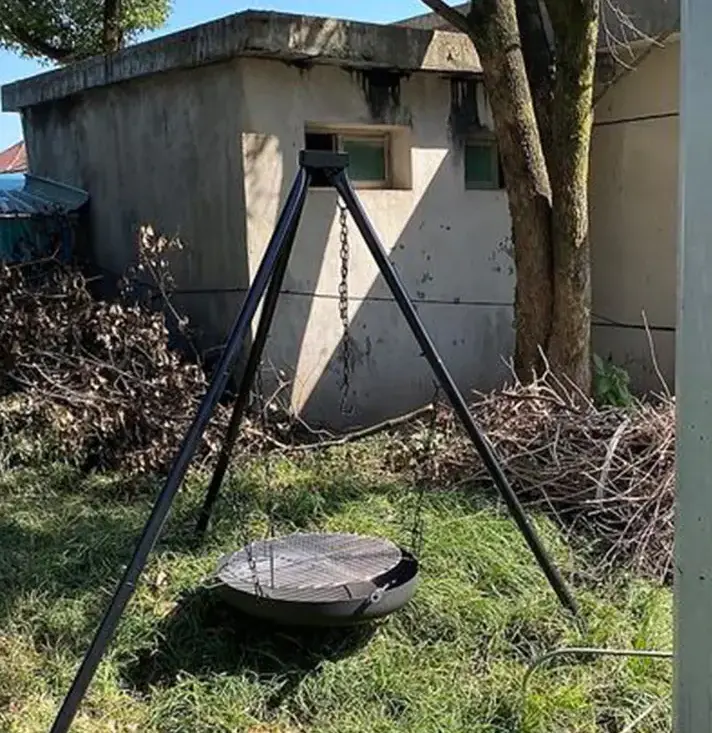
Cooking surface design also matters. Removable grates with reinforced frames help maintain structural integrity under heat exposure. A grillz fire pit that allows height adjustment provides flexibility for different cooking techniques, from slow roasting to direct grilling. These features support practical cooking outcomes without excessive manual intervention.
Portability is another aspect often overlooked. Modular or partially detachable designs allow easier relocation and storage, making fire pits suitable for both fixed installations and temporary outdoor setups. Compact footprints also help users integrate fire pits into smaller patios or garden layouts.
At Wuyi Qixing Machinery Technology Co., Ltd., product development centers on realistic outdoor usage patterns. By aligning design decisions with functional needs, the company delivers fire pit solutions that support everyday outdoor cooking activities. This practical approach ensures that fire pit cooking equipment remains accessible and useful across different environments and user preferences.



Share this page with your family and friends.